The code of ethics for fieldwork is the main portion of the central foundation of anthropology. Without boundaries and rules that are followed by all anthropologists that are participating in fieldwork, the quality of information gleaned from this important research method would all be for naught. It is absolutely imperative that these codes are strictly followed to ensure that the natural rights of the subjects are not being violated.
The first standard of the anthropology code of ethics is to Do No Harm. Although all of the codes are extremely important, this is the most essential because all of the other codes of ethics go under this overarching one. In my own fieldwork, following this code will mostly involve protecting the identity of my subject. The information shared is very personal it is the responsibility of the anthropologist to not injure a person by revealing their identity when it is not appropriate. So anonymity will be central to my plan of incorporating the ethics of fieldwork into my own research.
The second standard is to Be Open and Honest Regarding Your Work. Honesty is obviously the key to trust. In order for me to get honest information from my subject, I need to be honest to them about what my intentions are. I plan to do this by clearly outlining the nature of my assignment, making sure that they know that I will be sharing the stories and opinions they relate to me on a public blog, and telling them that the reason they were chosen for my assignment is because they are politically different from me. I will need to be able to balance making sure that I am honest, but also not telling them opinions that will cause them to not be entirely honest with me because they are worried about what I or other people think.
The third code is to Obtain Informed Consent and Necessary Permission. In my own fieldwork, I will definitely need to get permission from my subject to display their opinions and stories on a public blog. This is part of being open and honest and also doing no harm. It would be unethical to share stories that the subject did not consent to me sharing.
The forth standard outlined in the code of ethics is to Weigh Competing Ethical Obligations Due Collaborators and Affected Parties. I know this is really important, but I have a much harder time knowing how this part of the code will be relevant to my research. I would love to hear any thoughts from anyone who might be reading this blog. Since I am only dealing with person, and I do not foresee running into a situation where I would have to weight competing ethical obligations, this standard is not applicable.
The fifth standard is to Make Your Results Accessible. My results will be very easily accessible in this blog. Anyone who cares to read it, and especially my subject, will be able to access all of the information I am sharing. However, to take this a step further, I plan on having my subject read a draft of my blog post before I actually post just to make sure that I have permission (see standard three) and also to make sure they have access to all the results I will be posting.
The sixth and final standard is to Protect and Preserve Your Records. All of my records will be posted in this blog, so they will basically become immortal. Since I am not doing fieldwork in a dangerous place where my notes are handwritten, I do not think that there is anything to protect my records from. Everything will be shared on this blog.
These standards from the code of ethics will be my ally to help me ensure that the rights and needs of my subject are met, and that I am getting good information.
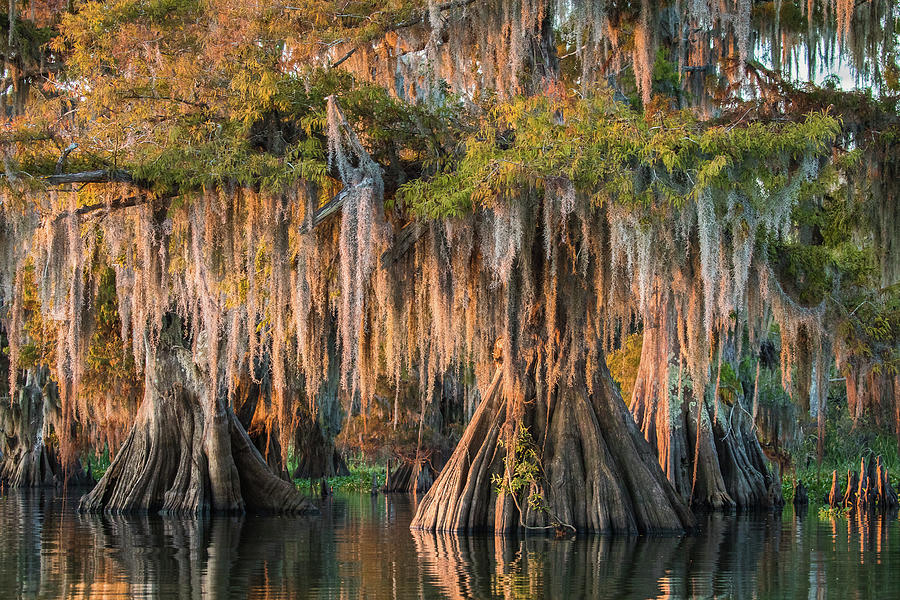
Now to some more interesting stuff from a far more interesting person than me. I chose to read the chapter in Hochschild’s Strangers In Their Own Land called “The Rememberers. The central story in this chapter was that of the Arenos. The Arenos live right off of the Bayou d’Inde, which was once a place vibrant with life, but due to mass pollution from industrialization, the bayou became a place of rot and filth. Harold Areno, an older man who worked as a pipe fitter, begins the tragedy of the bayou by reminiscing about childhood memories of the place. He describes the bayou as it used to be in vivid detail, recounting all of the activities he and his siblings participated in. He showed a few pictures of the beautiful and magnificent bald cypress trees that once stood as ancient protectors of the water. Harold’s words made it clear that he remembered so clearly what the Bayou d’Inde used to be like; before everything wonderful was sucked out of that place.
Harold and his wife Annette Areno now live in a very different world. Big companies near the bayou have polluted the water so severely, that all the grand bald cypresses are dead, all of the fish are poisoned, the water is liquefied death; to put it bluntly, the bayou fell from being a paradise into a polluted hell. The current state of the Bayou d’Inde is the reason why Hochschild is interested in the Areno’s story. She sees the bayou and the people affected by its defiled state as an illustration of the great paradox. It is a great illustration indeed.
Hochschild found that the Arenos repeatedly voted for conservative government officials (being Republicans) even though they knew that they wouldn’t clean the bayou. This was largely because of their firm belief that the candidates they chose were more morally correct. This was evident in the 2012 election where the Arenos voted for Mitt Romney because he supported moral causes that they agreed with despite the fact that they had a perfect knowledge that he probably wasn’t going to make an effort to regulate the pollution of massive corporations.
Reading this chapter was very helpful to me because their were certain concepts that I can form into questions that I can ask my subject. The first would be this: Has there ever been a time where you have voted for someone even though you knew that they weren’t going to be able to fix a really big issue that is affecting you? Why? The second would be this: Is there an aspect of your childhood that you remember being wonderful, but is now ruined because of some political issue? The third on would be: In what ways has the world you remember as a youth changed? I hope these questions lead me to understand my subject’s political stance better. I am excited to ask them and see what that person says!

 Sander's Anthropology Blog